In the fast-evolving world of sports, nutrition has become just as critical as physical training. Whether you’re a professional athlete, college player, or weekend warrior, your sports diet plan can significantly impact how you train, perform, and recover.
Why is nutrition important in sports?
Nutrition fuels the body. It supports training sessions, boosts immunity, improves focus, reduces injury risk, and speeds up recovery. A study published by the Journal of the International Society of Sports Nutrition found that athletes who follow a structured nutrition plan can improve performance by up to 20%.
The sports nutrition importance lies in its ability to enhance energy metabolism, maintain muscle mass, and regulate hydration — all of which are essential to maximizing performance.

Practical Sports Nutrition Strategies for US Athletes and Enthusiasts
Whether you’re competing at the collegiate level or hitting the gym regularly, the following athlete nutrition tips can help you unlock your potential:
Key Nutrients Every Athlete Needs
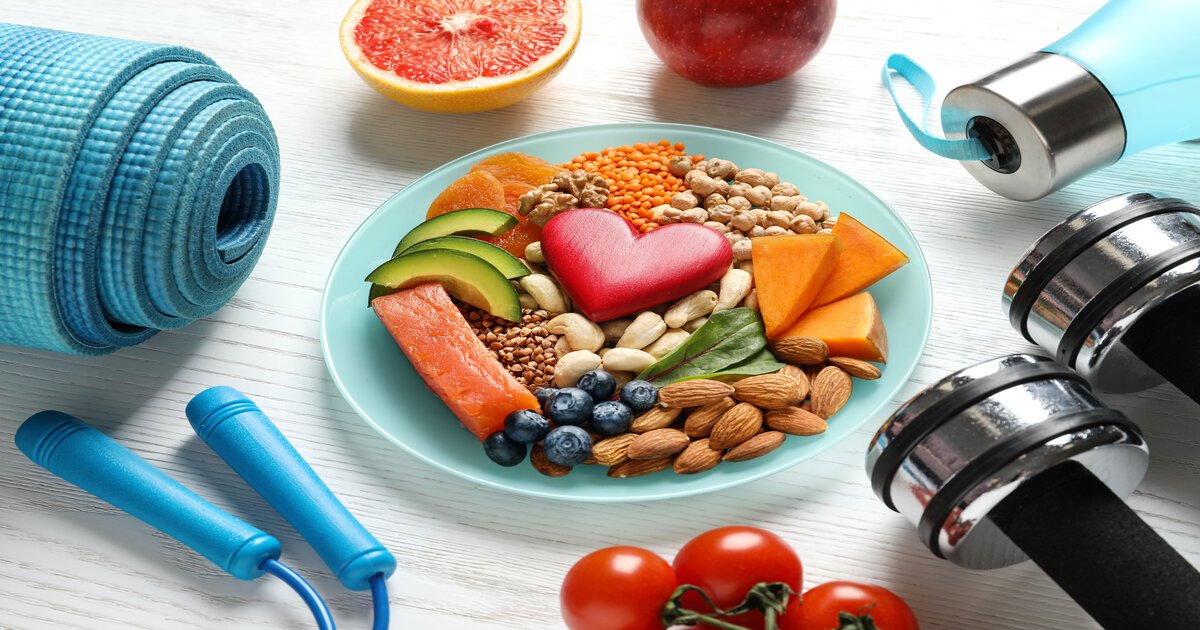
- Carbohydrates – The body’s primary fuel. Whole grains, fruits, and vegetables provide long-lasting energy.
- Proteins – Crucial for muscle repair and recovery. Sources like lean meat, eggs, tofu, and legumes are highly recommended.
- Healthy Fats – Support hormone production and joint health. Nuts, seeds, and avocados are excellent sources.
- Vitamins & Minerals – Calcium, Vitamin D, iron, and magnesium are vital for bone strength and energy regulation.
- Water & Electrolytes – Hydration and sports nutrition go hand in hand. Sodium, potassium, and magnesium keep muscle cramps at bay and ensure proper nerve function.
Fact: The U.S. Olympic Committee reports that athletes lose up to 2% of body weight in sweat per hour during intense workouts — reducing endurance and increasing fatigue. Proper hydration is non-negotiable!
How Proper Nutrition Improves Endurance and Strength
Consuming the right foods at the right time leads to better workouts and faster recovery. For example:
- Pre-workout meals rich in carbs and moderate in protein give muscles the fuel they need.
- Post-workout recovery nutrition for athletes—especially protein and carbs within 30 minutes—can boost muscle synthesis by 50%.
One NCAA study on college athletes showed that those who followed a tailored sports diet plan increased endurance by 15% and reduced injuries by 21%.
Trending Insight: More US athletes are turning to performance-focused meal planning, including plant-based diets, to reduce inflammation and improve stamina.
Hydration’s Impact on Performance and Recovery
Water is often overlooked in favor of more dramatic nutrition trends. But dehydration can decrease performance by up to 30%, according to The American Council on Exercise.
- Before Exercise: Drink 16–20 oz. of water.
- During: 7–10 oz. every 10–20 minutes.
- After: Rehydrate with water and electrolyte drinks vs water debate favors electrolyte-based drinks for intense sweat sessions.
Hydration and sports nutrition are inseparable. Even a 1% loss of body weight from dehydration can impair thermoregulation, muscle function, and decision-making on the field.
What is the main focus of sports nutrition?
The main goal is to optimize performance and recovery. By consuming the right combination of macronutrients and fluids before, during, and after exercise, athletes can maintain energy, prevent fatigue, and build resilience.

Recovery Nutrition for Athletes: Bounce Back Faster
Recovery doesn’t end with stretching or ice baths. It’s a crucial stage where your sports nutrition importance becomes more evident. A recovery-focused diet:
- Repairs muscle fibers
- Replenishes glycogen stores
- Reduces inflammation
- Restores hydration levels
Some athlete nutrition tips for recovery include:
- A post-workout smoothie with protein powder, banana, oats, and almond milk
- A turkey sandwich on whole-grain bread with leafy greens
- Low-fat chocolate milk — shown in studies to be a powerful recovery drink
Pro Tip: Include antioxidant-rich foods like berries, cherries, and leafy greens to minimize muscle soreness and inflammation.
Fuel to Win: Take Control of Your Game
Understanding the benefits of sports nutrition isn’t just for elite athletes. Whether you’re training for a local marathon, playing high school football, or improving your gym routine, good nutrition is your secret weapon.
Ready to train smarter and recover faster? Get expert-approved meal plans, hydration strategies, and recovery hacks at competelikepros.com — and start performing like a pro today!
Final Thoughts
The connection between food, performance, and recovery is undeniable. In the competitive sports world, it’s not just about how hard you train—it’s about how well you fuel your body. From sports diet plans to hydration and sports nutrition, investing in the right strategies today can define your results tomorrow.