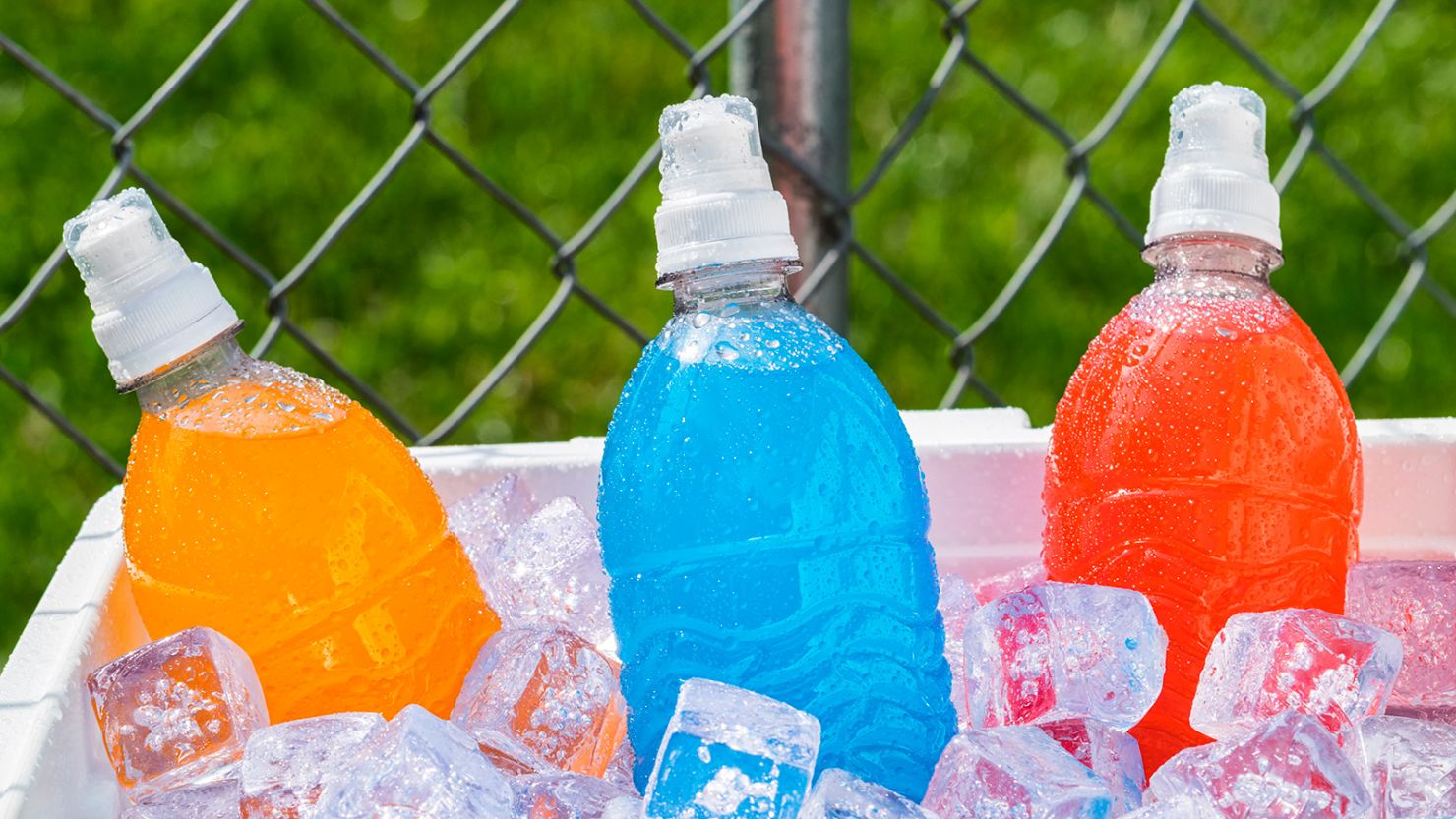
Whether you’re a weekend warrior or a competitive athlete, you’ve likely reached for a brightly colored sports drink to fuel your performance. But are sports drinks really helping—or hurting—your game?
From NBA courts to high school fields, athletes rely on hydration for optimal performance. Yet growing concerns about sugar in sports drinks, artificial ingredients, and overuse raise a critical question: Are sports drinks bad for athletes, or are they just cleverly marketed?
Let’s dive deep into the pros and cons of sports drinks, understand how they affect your body, and explore smarter hydration choices that actually support your athletic performance and nutrition.
The Truth About Sports Drinks and Athletic Performance
For decades, sports drinks like Gatorade and Powerade have promised better hydration, faster recovery, and enhanced performance. These beverages are especially popular during intense training, marathons, or sports played in high heat. But do they really live up to the hype?
Studies suggest electrolyte drinks vs water can benefit athletes engaging in prolonged physical activity over 60 minutes, especially in hot, humid conditions. These drinks replace sodium, potassium, and other electrolytes lost through sweat, preventing muscle cramps and dehydration.
However, for casual gym-goers or short workouts, plain water is often sufficient. The Harvard T.H. Chan School of Public Health notes that many people consume sports drinks unnecessarily, loading their bodies with excess sugar, sodium, and artificial colors—without seeing performance benefits.
According to a 2023 study published on the National Library of Medicine, habitual consumption of sugary sports drinks in non-athletic populations has been linked to weight gain, tooth decay, and increased risk of metabolic syndrome.
What’s Inside a Sports Drink? Ingredients Explained
Let’s break it down:
- Water – Primary hydration source
- Sugars (glucose, sucrose, fructose) – Provide quick energy
- Electrolytes (sodium, potassium, magnesium) – Replace minerals lost in sweat
- Artificial flavors and colors – Enhance taste and appearance
- Preservatives and acids – Increase shelf life, can impact dental health
The high sugar in sports drinks—often 21g or more per serving—can spike blood sugar levels and lead to crashes, especially when consumed outside of physical activity.

Do You Really Need Electrolytes After a Workout?
Hydration tips for athletes vary depending on the type, intensity, and duration of exercise. If your training lasts more than an hour or you’re sweating excessively, a well-formulated sports drink can help replenish lost electrolytes.
But for moderate workouts or team practices under an hour, electrolyte replacement isn’t always essential. Healthy hydration for workouts often comes from simply drinking enough water and eating a balanced post-workout meal rich in minerals.
Pro Tip: Coconut water, diluted fruit juices with a pinch of sea salt, or homemade electrolyte drinks can offer healthier alternatives with fewer additives.
Sugar, Sodium, and Marketing Hype: What to Watch Out For
Sports drink marketing often emphasizes elite athlete endorsements and scientific-sounding ingredients. But most formulations are designed for extreme exertion—not everyday use.
Here’s what to be cautious about:
- Sugar: Overconsumption can lead to weight gain and insulin resistance.
- Sodium: Essential for athletes in high-heat situations, but excess intake can increase blood pressure in sedentary individuals.
- Additives: Artificial colors and preservatives may irritate sensitive stomachs or trigger allergies in some people.
In 2024, health-conscious athletes are turning to clean-label hydration products or skipping store-bought drinks altogether in favor of natural hydration strategies.

Smarter Hydration Choices for Modern Athletes
Today’s athletes demand more than flashy bottles—they want science-backed hydration that fuels performance without side effects.
Here are smart hydration strategies to follow:
- Before Exercise: Drink 12–16 oz of water 1–2 hours before physical activity.
- During Exercise: For workouts over 60 minutes, sip 3–8 oz every 15–20 minutes. Consider a low-sugar electrolyte drink if sweating heavily.
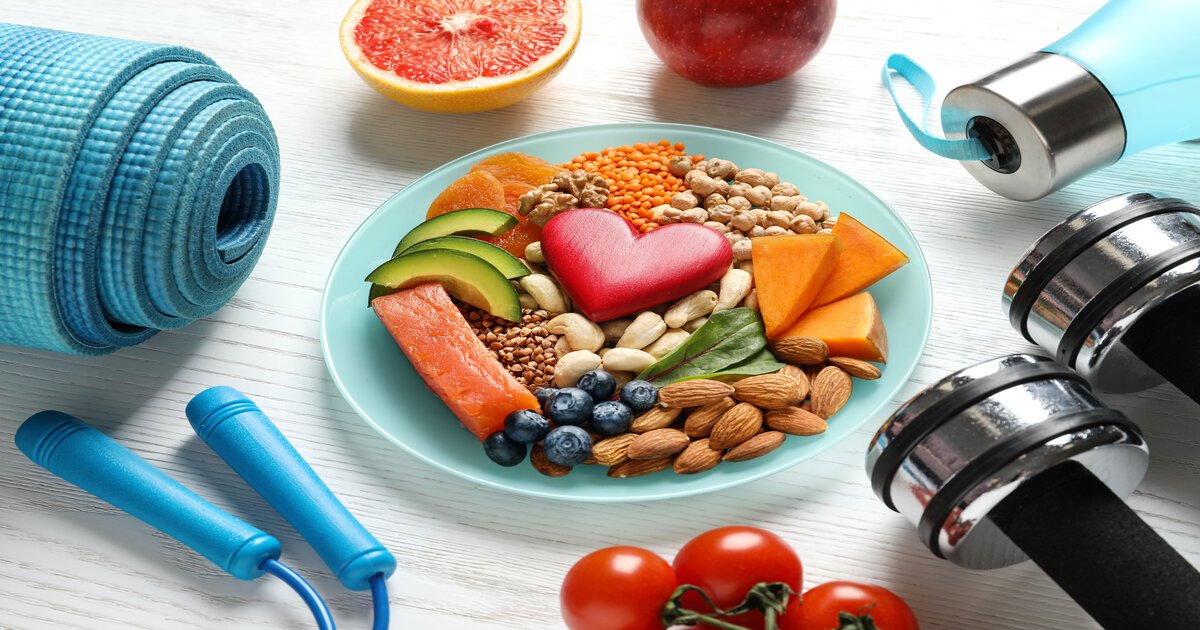
- After Exercise: Rehydrate with water and eat potassium-rich foods (like bananas, spinach, and avocados).
Pro Tip: Your sweat rate, urine color, and body weight can help measure hydration needs. Pale yellow urine usually indicates proper hydration.
FAQs
Is it okay to drink sports drinks every day?
Not recommended unless you’re an endurance athlete training daily. Regular consumption adds unnecessary sugar and sodium to your diet.
Final Verdict: Hydration or Hype?
So, are sports drinks bad for athletes? The answer isn’t black and white.
They’re beneficial for:
- Endurance athletes
- Intense workouts over 60 minutes
- High-heat and high-sweat environments
They’re unnecessary (and possibly harmful) when:
- Used during short, light workouts
- Consumed as daily beverages
- Loaded with excess sugar and additives
Smart athletes understand that athletic performance and nutrition go hand-in-hand. The key is to stay informed, hydrate with intention, and choose products that match your performance level.
Take the Next Step: Train & Hydrate Like a Pro
Ready to upgrade your game with better hydration, nutrition, and performance strategies? Join the community of athletes who put science first.
Visit competelikepros.com for expert tips, personalized hydration guides, and performance-focused training advice. Because when it comes to your body—every drop counts.