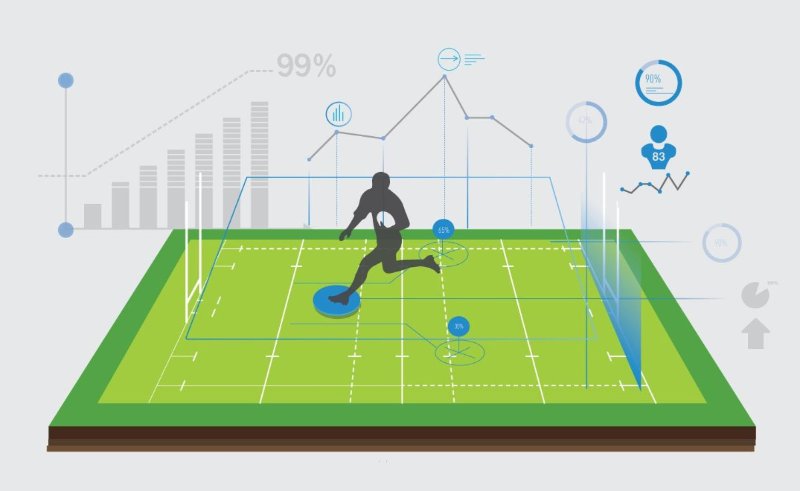
In today’s competitive sports landscape, performance is no longer judged solely by wins or losses. Sports analytics has emerged as a powerful tool for improving athlete performance, game strategy, and even injury prevention. For US-based sportspersons and enthusiasts, learning how to leverage sports data analysis is the key to staying ahead of the curve. Whether you’re a budding analyst, a coach, or an athlete, this beginner guide to sports analytics will show you how to get started.
Understanding the Basics of Sports Analytics
What Is Sports Analytics and Why Does It Matter?
Sports analytics refers to the use of data, statistics, and technology to assess player performance, evaluate game tactics, and improve overall decision-making. It involves collecting data such as speed, distance covered, heart rate, and success rates of plays or shots.
From the NBA to the NFL, teams are investing heavily in analytics. The Golden State Warriors, for instance, use real-time data to adjust their player rotations and shooting strategies mid-game. Similarly, Major League Baseball uses Statcast technology to track pitch velocity, launch angle, and player movement, revolutionizing how teams scout and train talent.
In short, analytics turns raw sports performance into actionable insights.
Key Metrics and Data Used in Sports Analytics
To get started with sports data analysis, you need to understand the key metrics used:
- Athlete performance metrics: These include sprint speed, stamina, shooting accuracy, heart rate variability, and workload index.
- Team metrics: Possession percentage, pass accuracy, turnover ratio, and scoring efficiency.
- Health and injury data: Used to monitor stress levels, predict fatigue, and design better recovery strategies.
For example, wearable tech like Catapult Sports helps teams measure movement, impact load, and other biometrics to optimize training and prevent injuries.
How Sports Analytics Impacts Athlete Performance and Team Strategy
The biggest impact of sports analytics lies in improving athlete performance. By analyzing training loads, sleep patterns, and nutrition data, athletes can fine-tune their bodies for peak performance.
Teams also use data to make tactical decisions. For instance:
- Soccer coaches use heat maps and player tracking to change formations.
- Basketball teams use shot charts to identify high-percentage zones.
- Baseball teams shift fielders based on a batter’s historical hitting patterns.
Analytics helps answer questions like: “Should we go for it on 4th down?” or “Is this player likely to get injured this season?”
How to Learn Sports Analytics Effectively
1. Enroll in Sports Analytics Courses
The most structured way to get started is by enrolling in sports analytics courses. These programs teach essential concepts like data modeling, coding (Python, R), and visualization (Tableau, Excel).
Some popular online options include:
- MIT Sloan’s Sports Analytics Certificate
- Coursera’s Sports Performance Analytics Specialization
- edX’s Data Science for Sports Analytics
These courses often cover real-world case studies, preparing you for a career in analytics or coaching.
2. Explore Sports Analytics Tools
Modern sports analytics tools make it easier to collect and analyze data. Beginners should start with:
- Hudl: Video performance analysis platform used by over 200,000 teams worldwide.
- StatCrew or Prozone: For analyzing team performance in games.
- Excel or Google Sheets: Still essential for basic modeling and metric tracking.
As you progress, learn tools like Python, R, and SQL for advanced analysis.
3. Practice With Real Data
Start working with publicly available datasets to build your analytical skills. Resources include:
- Kaggle (Sports Analytics Datasets)
- NBA Stats API
- MLB’s Statcast Data
Analyze data like player shooting efficiency, passing networks, or injury trends. Share your findings on platforms like LinkedIn or GitHub to build a portfolio.
4. Join a Sports Analytics Community
Networking and learning from professionals can speed up your journey. Some places to connect:
- MIT Sloan Sports Analytics Conference
- Reddit r/SportsAnalytics
- LinkedIn groups and Slack communities
Participating in discussions, reading research papers, and attending webinars will expose you to current sports analytics career trends.
5. Apply Your Knowledge in Real Scenarios
Try volunteering as an analyst for local teams or youth leagues. Many amateur teams appreciate help with performance tracking, game reviews, or even fitness analysis. This hands-on experience is invaluable.
FAQ: How Do I Get into Sports Analytics?
Answer: Start by learning the basics through sports analytics courses, then build a portfolio using real data. Gain hands-on experience with local teams or internships. Lastly, keep up with trends and tools like Python, Tableau, and R to stay relevant.
6. Stay Updated on Sports Analytics Trends
The field of sports analytics is constantly evolving. Here are a few recent trends in 2025:
- AI-driven performance predictions: Tools now forecast injury risk and peak performance windows using machine learning.
- Biomechanical analysis: Wearables capture fine-grained body movement, improving rehabilitation and training.
- Fan engagement analytics: Sports teams are analyzing fan behavior to boost ticket sales, streaming, and engagement.
According to Deloitte, teams using predictive data analytics in training reduce injury risks by up to 30% and improve performance consistency.
FAQ: What Education Is Required for Sports Analytics?
Answer: While a degree in sports science, statistics, or computer science helps, many professionals transition with certifications in data analytics. Courses focused on sports data analysis and hands-on training in tools like Python and R are highly recommended.

Final Thoughts
Becoming proficient in sports analytics doesn’t happen overnight, but with the right mindset and strategy, it’s achievable for anyone passionate about sports. Whether you’re an athlete aiming to boost your performance, a coach seeking better strategies, or a fan curious about the numbers behind the game — there’s a place for you in this exciting and evolving field.
Start today with a beginner guide to sports analytics, practice with real data, and build your foundation through structured sports analytics courses. Your journey into a sports analytics career starts with curiosity, data, and a love for the game.