Ever wondered what makes elite athletes dominate their sport? It’s not just talent—it’s their disciplined athlete workout routine, specialized sports training programs, and consistent focus on performance, recovery, and nutrition. Today, athletes across sports—from NFL stars to Olympic champions—follow scientifically designed routines that optimize athlete performance training for both body and mind.
Let’s explore the key elements behind the scenes that shape their peak performance.
Daily Training Routine of Elite Athletes
Professional athletes typically train 5–6 days a week with highly customized schedules that combine physical conditioning, sport-specific drills, and mental training. These routines are not random; they’re carefully built based on individual goals, upcoming competitions, and recovery needs.
Most elite performers follow this general structure:
- Morning sessions: Focus on strength and conditioning, cardio, or technical drills.
- Midday: Active recovery, therapy, or rest.
- Afternoon: Tactical training, team practice, or speed/agility work.
- Evening: Light recovery, stretching, and nutrition focus.
For example, swimmer Katie Ledecky reportedly trains around 20–25 hours a week, combining intense pool workouts with dryland strength sessions. Likewise, NFL players like Derrick Henry incorporate explosive sports conditioning drills and resistance training multiple times per week to boost speed and power.
FAQ: How many hours a day do athletes train?
Most professional athletes train between 4 to 6 hours daily, split into two or three sessions. This varies by sport and season (off-season vs. in-season).

What Sets Professional Athletes Apart
While many train hard, elite athletes train smart. What truly sets them apart is:
- A personalized, data-driven approach
- Elite recovery strategies
- Laser focus on diet and mental health
- The consistency of long-term progress
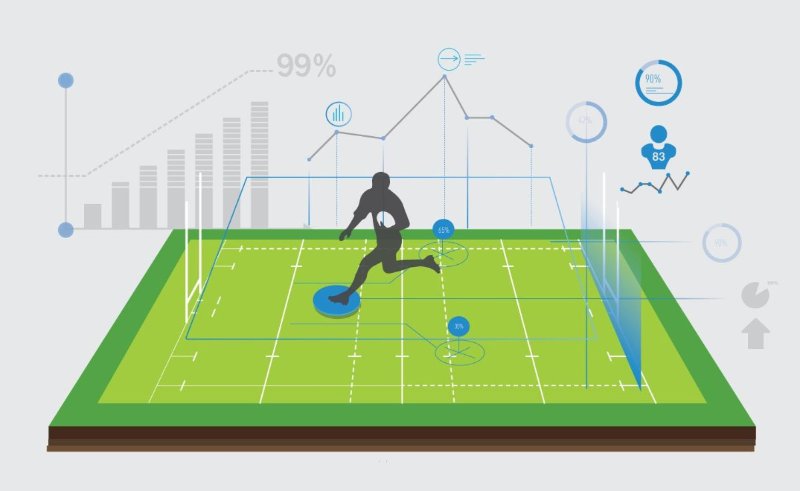
Their sports training programs integrate everything from sports science to wearable tech. Heart rate monitoring, velocity-based strength training, and GPS data allow coaches to fine-tune workouts in real-time.
Warm-Ups, Drills, and Conditioning Workouts
Athletes don’t skip warm-ups—ever. A standard warm-up includes:
- Light cardio (bike, treadmill)
- Dynamic stretches (leg swings, lunges)
- Mobility drills (shoulder rolls, hip openers)
Sports conditioning drills follow next and vary based on sport and role. Soccer players might do sprint intervals and cone drills, while basketball players might focus on plyometrics and lateral movement. These drills are designed to build stamina, improve reaction time, and enhance sport-specific explosiveness.
Importance of Strength Training and Flexibility
Strength and functional fitness go hand in hand in modern athletics. No matter the sport, strength and conditioning are essential to building a solid athletic base.
For example:
- NFL athletes: Combine heavy compound lifts (deadlifts, squats) with agility ladders.
- Tennis players: Use resistance bands and medicine balls for explosive rotation.
- Track athletes: Focus on barbell strength paired with sprint mechanics.
But strength isn’t everything—flexibility and mobility are equally crucial. Programs like yoga, Pilates, and mobility flow are now integrated weekly to prevent injuries and improve recovery.
FAQ: What type of training do pro athletes do?
Pro athletes follow integrated training plans that include strength work, speed drills, flexibility exercises, tactical practice, and recovery routines. It’s highly specialized per sport and position.
Nutrition, Sleep, and Recovery Techniques
Behind every high-performing athlete is a strict recovery and diet regimen. The role of recovery is no longer optional—it’s non-negotiable.
Professional Athlete Diet
Top athletes fuel their bodies like high-performance machines. A professional athlete diet includes:
- High-protein meals for muscle repair (chicken, eggs, legumes)
- Complex carbs for energy (brown rice, oats, quinoa)
- Healthy fats for hormone balance (avocado, nuts, olive oil)
- Electrolytes & hydration (coconut water, sports drinks)
For instance, Serena Williams consumes balanced meals with lean proteins and plant-based sides, while LeBron James follows a carb-cycling diet in-season to optimize energy use.
Recovery Tips for Athletes
Athlete recovery tips have evolved dramatically. Modern recovery includes:
- Ice baths and cryotherapy
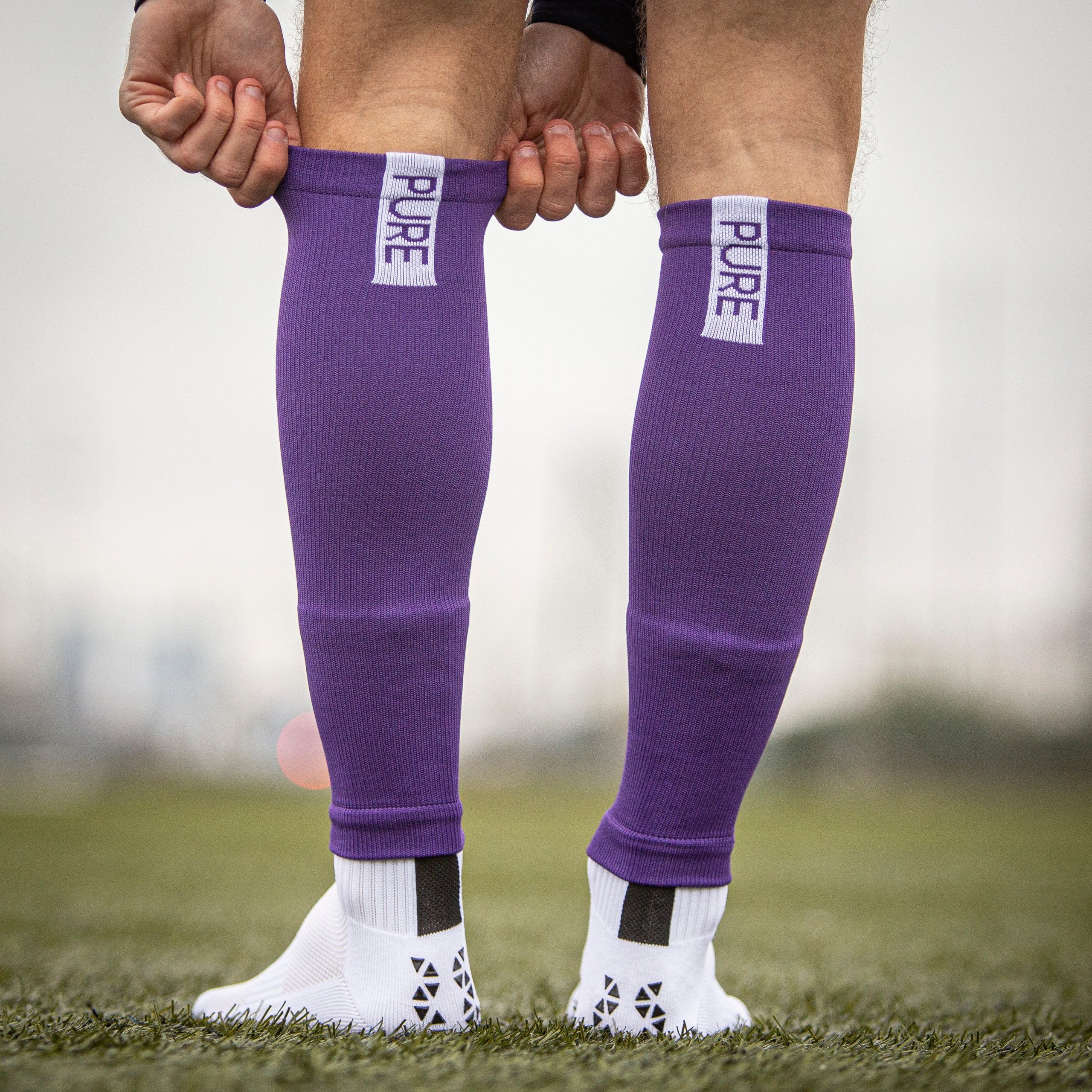
- Compression boots
- Sports massage and cupping
- Foam rolling and stretching
- Sleep optimization (at least 8–9 hours for muscle repair)
According to research published in the Journal of Sports Sciences, athletes who sleep over 8 hours have 68% fewer injuries than those who don’t.
Trending Insights: Peak Performance in 2025
Here are some performance trends reshaping athlete development:
- Wearable tech like WHOOP bands and Oura Rings help track recovery and sleep.
- AI-powered coaching platforms adjust workouts based on real-time fatigue levels.
- Altitude chambers are used for endurance training.
- Cold plunge recovery and red light therapy are trending among NFL and NBA players.
From youth athletes to Olympic hopefuls, these innovations are becoming more accessible.
FAQ: How do you train as an athlete?
To train like an athlete, follow a structured routine combining strength training, sport-specific drills, flexibility work, proper nutrition, and enough sleep. Consistency is key.
Ready to Train Like a Pro?
Peak performance doesn’t happen overnight. It’s the result of a science-backed plan, recovery, nutrition, and relentless discipline. Whether you’re a high school athlete or just trying to upgrade your personal fitness, adopting these pro secrets can help elevate your game.
Want expert guidance? Visit competelikepros.com to explore athlete-tested training programs, recovery tools, and personalized coaching designed to help you compete like the elite.