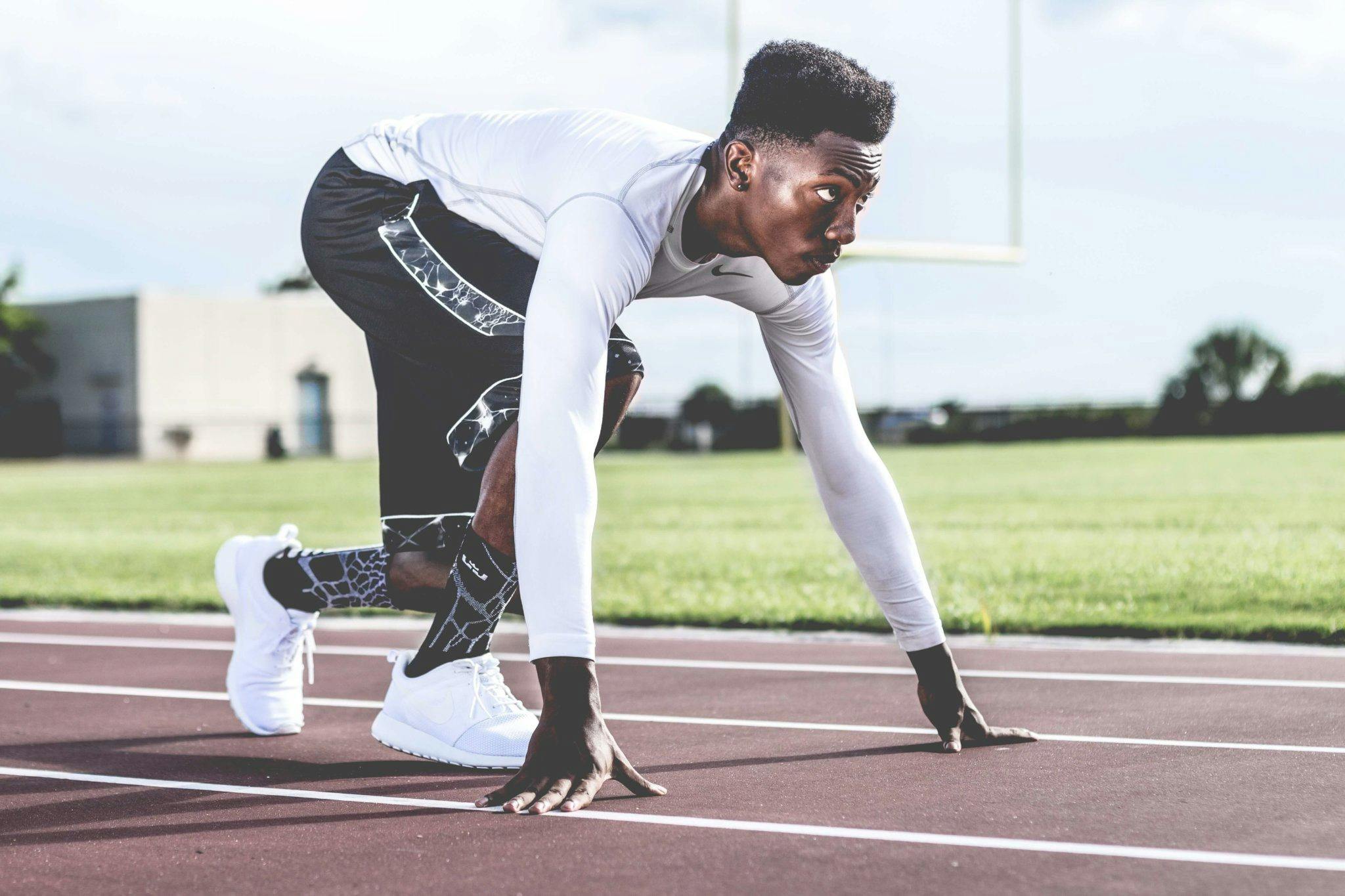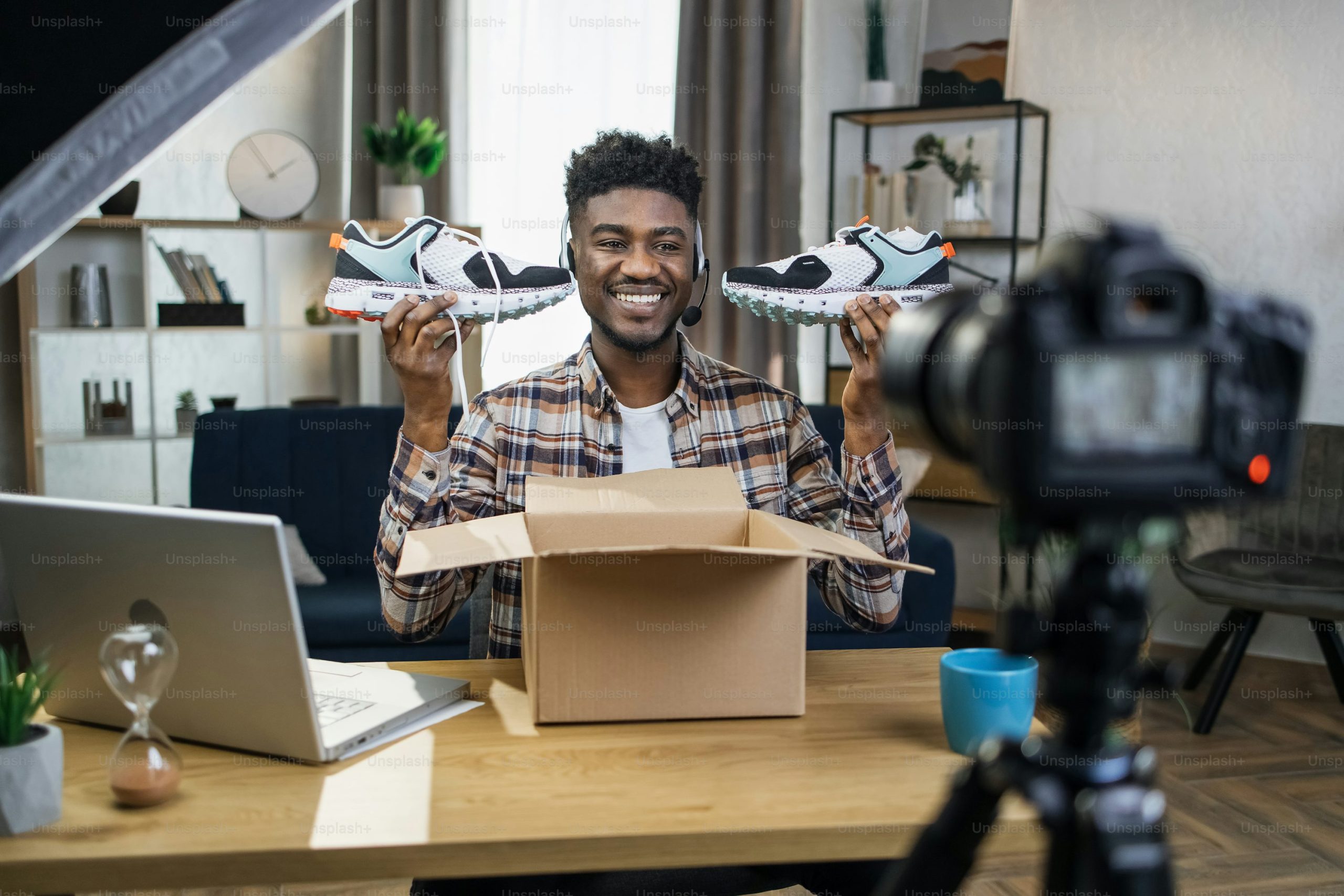
In today’s competitive sports world, talent alone isn’t enough. Whether you’re an aspiring athlete or part of a professional team, how you present yourself to the world matters just as much as your performance. Athlete branding is the key to turning sports success into long-term influence, fan following, and financial growth.
From personal branding for athletes to effective sports marketing strategies, let’s dive into what it takes to stand out and build a lasting sports identity.
What Is Sports Branding and Why It Matters
Defining the Core of Sports Branding
Sports branding refers to the process of shaping how athletes, teams, and sports organizations are perceived by fans, sponsors, and the media. It goes beyond logos and color palettes—it’s about storytelling, values, and visual identity that people associate with you.
A strong sports brand can help athletes land sponsorships, increase their fan base, and build an emotional connection with supporters. In 2024, athletes like Coco Gauff, Giannis Antetokounmpo, and Max Verstappen have leveraged powerful personal brands to go beyond their sport and enter lifestyle, fashion, and endorsement markets.
Why Athletes and Sports Teams Need Branding
In the era of social media and digital influence, athletes are not just players—they are content creators, influencers, and entrepreneurs. Your brand helps define your voice, values, and vision.
Consider these numbers:
- According to a 2023 Nielsen Sports study, 60% of fans follow athletes online, not just for performance, but for personality and lifestyle content.
- Athletes with a defined brand are 3x more likely to receive endorsement deals from global sponsors.
When done right, branding can elevate an unknown athlete to a household name. Just look at Emma Raducanu—after her US Open win, her clean personal brand helped her land deals with Dior, British Airways, and HSBC.

Best Sports Branding Practices for Athletes and Teams
1. Create a Consistent Visual Identity
Your sports logo and design play a key role in audience recall. Use consistent fonts, color schemes, and imagery across all platforms.
Tip: Use tools like Canva or hire a designer to create a custom logo and brand kit. Take inspiration from sports branding examples like Roger Federer’s “RF” monogram or Serena Williams’ fashion-focused branding.
2. Tell Your Story Authentically
What’s your “why”? Fans connect more deeply with real stories. Share your journey—struggles, wins, routines, and dreams.
- Example: NFL player Damar Hamlin grew his brand massively after recovering from a cardiac arrest on the field. His transparent storytelling and advocacy for health raised both awareness and his public image.
3. Leverage Social Media for Athletes
Platforms like Instagram, TikTok, and X (formerly Twitter) are powerful for building your fan base.
- Post workout clips, training behind the scenes, recovery tips, or even game-day routines.
- Use your platform to showcase your values (community work, mental health, etc.)
Pro Tip: Use high-quality photos, relevant hashtags, and engage with followers regularly. Athletes like Noah Lyles and Alyssa Thompson gained huge visibility by posting regularly during global tournaments.
4. Collaborate with Graphic Designers and Content Creators
Invest in professional visuals for your feed and merchandise. A sleek brand makes you look credible.
- Use sports logo and design tips to build assets for social media, your website, or your merch.
5. Build a Personal Website or Portfolio
Having a professional site like competelikepros.com can house your achievements, stats, partnerships, and blog content. It also makes it easy for brands to contact you for endorsements or speaking gigs.
6. Aligning with Sponsorships and Endorsements Strategically
Don’t chase every brand. Instead, align with partners that reflect your identity and values.
- Example: NBA star Stephen Curry aligned with Under Armour to build his own sub-brand “Curry Brand,” which promotes youth sports access and personal excellence.
- Create a media kit and include performance stats, follower demographics, and past partnerships.
FAQ: What is sport branding?
Answer: Sport branding is the process of shaping the public identity of an athlete, team, or sports organization through visual design, storytelling, social media, and strategic marketing. It helps athletes connect emotionally with fans and secure sponsorships and opportunities beyond sports.

7. Study Sports Branding Examples That Work
Learn from the best:
- Cristiano Ronaldo’s CR7 brand is a global phenomenon blending athleticism and fashion.
- Simone Biles’ brand promotes mental health, strength, and resilience, helping her connect deeply with fans.
- Shohei Ohtani keeps his brand humble and performance-focused, resonating with both Japanese and global audiences.
8. Track Trends and Evolve
Stay updated with the latest sports marketing strategies. What worked in 2022 may not work in 2025.
Trending in 2025:
- AI-generated highlight reels and AR filters.
- TikTok athlete “day in the life” content is gaining traction.
- Athletes launching NFTs, mobile games, or metaverse avatars.
9. Engage with Your Audience Personally
Fans appreciate personal engagement—responding to comments, hosting Q&As, and sharing real moments.
- Even small gestures like birthday shoutouts or reposting fan art can make your brand more relatable.
- Use social media for athletes not just to promote, but to build a community.
10. Stay Consistent, On and Off the Field
Consistency in values, performance, visuals, and behavior is key. Athletes like Kylian Mbappé maintain consistent public messaging across media appearances, games, and branding campaigns, making them trustworthy to both fans and sponsors.
Conclusion
Building a sports brand is no longer optional—it’s essential. Whether you’re aiming for professional contracts, growing your fan base, or attracting big sponsorships, your brand is your biggest off-field asset.
By using proven branding strategies—strong visuals, authentic storytelling, social media engagement, and strategic endorsements—you can control your narrative and turn your athletic identity into a lasting legacy.
Ready to elevate your brand and compete like the pros?
Visit competelikepros.com to get personalized branding tools, logo design kits, and performance visibility tips tailored for serious athletes.