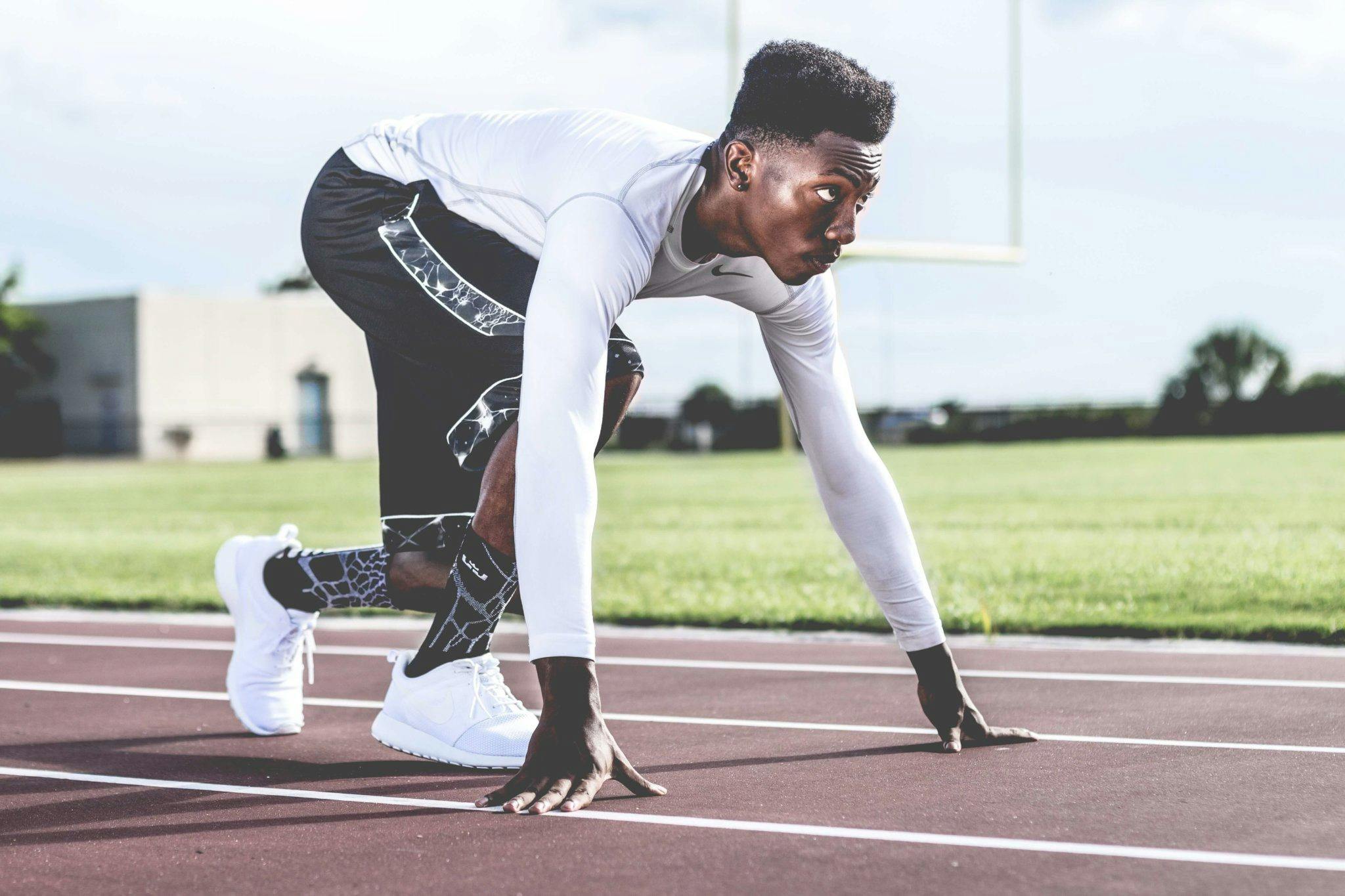
Whether you’re a high school player, college athlete, or aspiring professional, performance training can be the difference between average and elite. Athlete performance training combines science-backed techniques, sport-specific movements, and recovery strategies to help athletes unlock peak potential.
In this article, we’ll break down what athlete performance training means in 2025, what methods are trending, and how U.S. athletes are using data, discipline, and technology to elevate their game.
What Is Athlete Performance Training and Why It Matters
Athlete performance training refers to a structured and science-based approach that prepares athletes physically, mentally, and nutritionally to compete at their best. It’s far more than lifting weights or running laps.
From sports performance enhancement programs to functional fitness for athletes, modern training systems are designed to improve strength, agility, endurance, speed, and recovery. In 2025, more coaches and athletes are using wearables, AI tools, and personalized programs to gain a competitive edge.
FAQ: What is sports performance training?
Sports performance training focuses on improving physical skills such as strength, speed, endurance, and agility to enhance athletic performance in a specific sport.
Key Strategies to Maximize Athlete Performance in 2025
In the competitive world of sports, relying solely on talent isn’t enough. Here’s what the top U.S. athletes and trainers are doing differently.
Defining the Core Elements of Performance Training
Performance training is built on five performance domains of athletic training:
- Strength
- Speed
- Endurance
- Agility
- Recovery

These domains work together to help athletes reduce injury risk, build sport-specific power, and maintain consistency throughout the season.
For example, US athlete development programs now involve data tracking, velocity-based training, and customized workout schedules tailored to an athlete’s sport and position.
A 2024 study by the National Strength and Conditioning Association showed that athletes who followed structured programs saw a 17% improvement in explosive power and 22% decrease in injury-related downtime over 12 months.
Strength, Speed, and Agility: The Winning Trifecta
Athlete Strength Training
Building strength is the foundation of performance. Athlete strength training targets muscles used in competition, improves resilience, and supports power output. Deadlifts, squats, kettlebell swings, and resistance band work are all popular methods.
Speed and Agility Workouts
Speed isn’t just about straight-line running—it’s also about directional change, reaction time, and muscle control. Speed and agility workouts like cone drills, sled pushes, and ladder exercises improve footwork, balance, and responsiveness.
According to APT Speed, athletes who incorporated speed drills 3x a week improved their 40-yard dash time by an average of 0.3 seconds in 8 weeks.
Endurance Training for Athletes
Whether you’re on the soccer field or basketball court, stamina matters. Endurance training for athletes often includes high-intensity interval training (HIIT), tempo runs, and aerobic conditioning to support long-term performance and reduce fatigue late in games.

FAQ: What is an example of performance training?
A sprinter performing resisted sled sprints and jump squats to build explosive speed and leg power is an example of performance training.
Role of Nutrition and Recovery in Performance Optimization
Sports Nutrition for Performance
Fueling your body the right way is just as critical as training. Sports nutrition for performance includes optimizing protein intake, hydration, and macronutrient timing around workouts.
U.S. Olympic athletes now work with performance dietitians to track micro and macro nutrient intake daily. Protein timing, carb cycling, and creatine supplementation have all shown marked improvement in strength and recovery.
Recovery Tips for Athletes
Without proper recovery, gains fade and injuries creep in. The best recovery tips for athletes in 2025 include:
- Sleep tracking (minimum of 8–9 hours per night)
- Active recovery (foam rolling, light swimming, or walking)
- Cryotherapy and compression therapy
- Post-workout nutrition (20–30g protein within 30 minutes)
Elite training centers like Athlete Training + Health use recovery as a core pillar, offering red-light therapy and guided stretching to speed up muscle repair and reduce soreness.
Real-World Insights: How Do Athletes Train to Improve Performance?
Athletes train by following individualized programs designed around their sport, position, goals, and body metrics. Here’s a quick example:
A college football wide receiver might train with:
- Strength Days: Heavy squats, cleans, and bench presses
- Speed Days: Sled pulls, sprint mechanics, and cone drills
- Endurance Days: HIIT circuits and agility ladders
- Recovery: Weekly massage, ice baths, and nutrient-dense meal plans
Facilities like Katy Performance Training and Team ROI combine science, sport-specific coaching, and real-time feedback tools to give athletes a complete roadmap for success.
Conclusion: Train Smart, Recover Hard, and Compete Like a Pro
No matter your sport or level, athlete performance training is about committing to consistent improvement—physically, mentally, and nutritionally. The future of sports is data-driven, recovery-focused, and performance-obsessed.
If you’re ready to take your training seriously and compete like a pro, check out competelikepros.com — where serious athletes go to level up.