In the world of competitive sports, every detail matters—from the right cleats to the right socks. One of the growing questions among players and sports enthusiasts is: Are soccer socks compression socks? Let’s uncover the truth and explore how socks play a crucial role in soccer gear for better performance.
Whether you’re a weekend player or an aspiring pro, understanding the gear you wear, especially when it comes to compression socks vs regular sports socks, can give you the edge you need.
What Are Compression Socks and How Do They Work?
Compression socks are designed to apply graduated pressure to your legs, ankles, and feet. This tight fit improves blood circulation by pushing oxygen-rich blood back to your heart, which is especially beneficial during physical activity.
Benefits of Compression Socks for Athletes
- Improved circulation: Helps reduce muscle fatigue and cramping.
- Enhanced performance: Supports leg muscles and improves endurance.
- Reduced swelling: Especially important during long training sessions or after intense matches.
- Faster recovery: They support muscle recovery for soccer players by reducing soreness and lactic acid buildup.
Research from the Journal of Strength and Conditioning Research shows that athletes wearing compression gear can recover 24–36% faster than those without it. Compression wear is no longer just a medical aid—it’s a sportswear technology trend.

Are Soccer Socks Compression Socks by Design?
Standard soccer socks are not true compression socks, but they are made with a snug fit to keep shin guards in place and offer some muscle support. However, some modern soccer socks are now designed with compression technology to improve circulation and enhance on-field performance.
Many professional players, including stars like Cristiano Ronaldo and Megan Rapinoe, have been seen wearing compression leg sleeves or integrated compression socks during games and training.
How Compression Technology Supports Athletes
Compression socks are crafted using elastic materials like spandex or nylon, which create graduated pressure. Here’s how this benefits athletes:
- During training: They minimize vibration and stress on muscles.
- During matches: They improve blood oxygen levels, giving players more stamina.
- Post-match: They reduce soreness and boost muscle recovery for soccer players.
A 2024 study from Sports Health Journal revealed that soccer players who used compression socks reported 20% less fatigue and 30% fewer cramps compared to those using standard sports socks.
Key Differences Between Compression Socks and Regular Sports Socks
| Feature | Compression Socks | Regular Sports Socks |
| Pressure Gradient | Graduated compression from ankle up | No specific pressure |
| Circulation Support | Enhances blood flow | Minimal to none |
| Material | Elastic + medical-grade fabric | Cotton or polyester |
| Recovery Aid | Excellent for post-training | Not designed for recovery |
| Fit | Tight, secure fit | Snug, but not compressive |
This comparison clearly shows how compression socks provide extra benefits that regular socks do not.

When Do Soccer Players Use Compression Gear?
Athletes don’t always wear compression socks during matches. Many use them:
- Before matches for better circulation.
- During training to reduce swelling and muscle fatigue.
- Post-match as part of recovery routines.
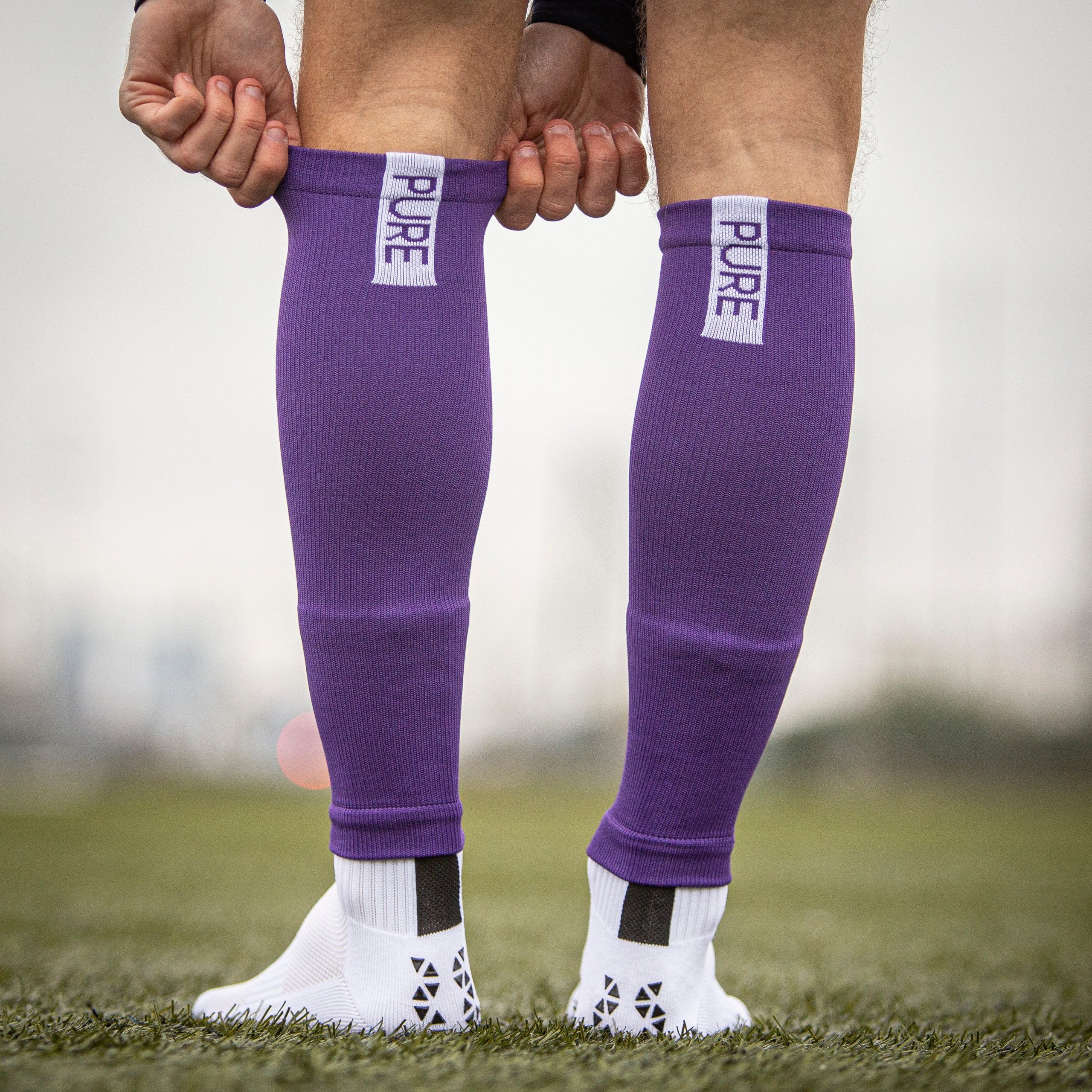
Some players even wear compression sleeves under regular soccer socks to get the benefits without altering their team uniform. This hybrid approach has become a trending practice in elite sports circles.
FAQ:
Do soccer socks provide compression?
Standard soccer socks offer light compression, mainly to hold shin guards in place. True compression benefits come from specialized compression socks or sleeves.
Best Socks for Soccer Training: What to Look For
If you’re serious about upping your game, consider choosing the best socks for soccer training that combine comfort with compression. Look for:
- Graduated compression level (15-20 mmHg) for moderate support.
- Moisture-wicking material to keep feet dry.
- Anatomical design for left and right foot support.
- Arch and ankle support to prevent injuries.
Brands like Nike Pro Elite, CEP, and Adidas Alphaskin now offer soccer socks with built-in compression zones. This trend aligns with the growing use of sportswear technology to improve athlete performance.
Compression Gear in 2025: A Growing Trend
Compression gear is no longer limited to medical use. It’s now a staple in many athletes’ gear bags. According to Global Sports Apparel Reports, compression clothing sales have grown by 18% in the past year, especially in soccer, basketball, and endurance sports.
Athletes are not only wearing compression socks, but also compression sleeves, tights, and tops—all geared towards maximizing performance and recovery.
Final Thoughts: Should Soccer Players Wear Compression Socks?
Compression socks aren’t a must-have for all players—but for those focused on performance and recovery, they can be a game-changer. While regular soccer socks do the job of securing shin guards and offering basic support, compression socks bring science into the equation, helping you train harder and recover faster.
If you’re building your soccer gear for better performance, adding a good pair of compression socks is a smart step. Whether you’re playing at an amateur level or aiming for professional leagues, gear matters—and compression is part of the future of sports.