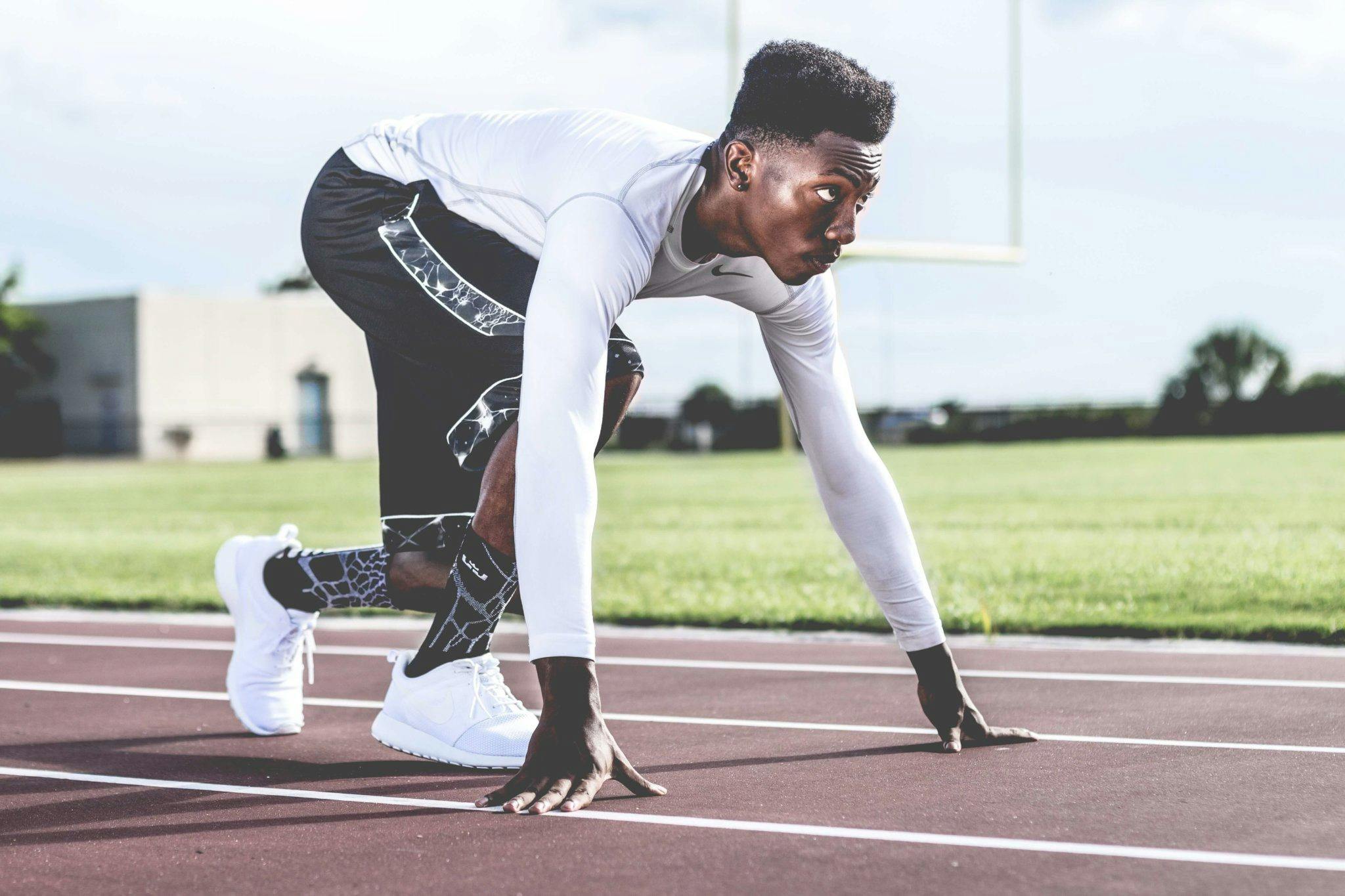
In today’s fast-paced digital world, being a great athlete isn’t just about breaking records or winning medals—it’s also about building a brand, connecting with fans, and securing long-term financial opportunities. That’s where sports marketing plays a powerful role.
From athlete sponsorship opportunities to digital marketing in sports, modern athletes are leveraging strategic promotion to build visibility, increase earnings, and grow loyal fan bases around the globe.
What Is Sports Marketing and Why Does It Matter?
Sports marketing is the strategic promotion of athletes, teams, or sports events through various channels to create awareness, attract sponsorships, and boost engagement. It combines sports branding strategies, storytelling, and advertising to turn athletes into marketable personalities.
With the rise of social media, influencer marketing, and eCommerce, how sports marketing works has drastically evolved. Today, athletes can build their own media platforms, collaborate directly with brands, and control their public narrative—something that wasn’t possible 20 years ago.
According to a 2024 Nielsen report, 84% of global sports fans follow athletes on social media for behind-the-scenes content, lifestyle inspiration, and product recommendations. That means athletes with strong marketing presence can command greater influence and value.
FAQ: Why is marketing important in sports?
Marketing in sports is crucial because it increases visibility, drives fan loyalty, opens up revenue streams (like endorsements and merchandise), and builds long-term career sustainability for athletes beyond their performance years.

Key Benefits of Sports Marketing for Athletes
How Sports Marketing Builds Athlete Recognition
In an era where competition is fierce, even the most talented athletes need visibility. Whether it’s Serena Williams’ luxury fashion collab or Cristiano Ronaldo’s CR7 brand, sports marketing amplifies an athlete’s identity beyond the playing field.
By using sports promotion tactics such as social media campaigns, PR appearances, and content partnerships, athletes can stand out in saturated markets. A prime example is gymnast Sunisa Lee, who used her 2020 Olympic gold win to build a strong social media brand and land sponsorship deals with Gatorade and Amazon.
Why Athlete Branding Goes Beyond Performance
Athletic performance has a shelf life. But building athlete brand image can create lifelong opportunities. Athletes who invest in their personal brand can extend their careers as entrepreneurs, commentators, or influencers.
Take LeBron James, for example. His savvy brand-building through media ventures (SpringHill Company), philanthropy, and endorsements has made him not just an NBA star but a billion-dollar business. That’s the power of sports branding strategies at work.
Even rising stars like Coco Gauff and Erling Haaland are quickly realizing the value of strategic branding early in their careers.
Enhancing Fan Engagement Through Digital Channels
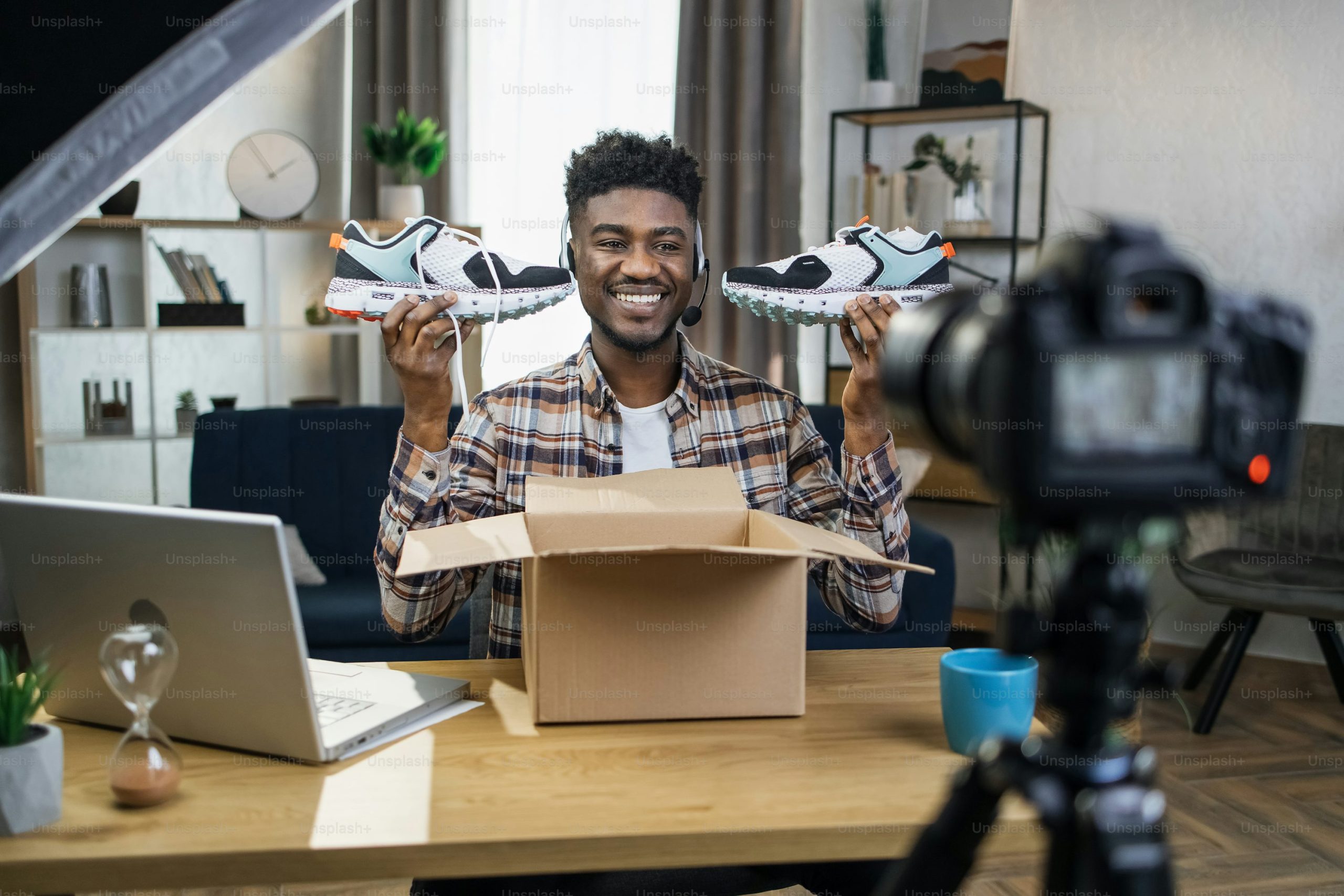
Digital marketing in sports has become a game-changer. Platforms like TikTok, Instagram, and YouTube allow athletes to connect with fans in real-time, giving a behind-the-scenes look at training, lifestyle, and routines.
When an athlete shares training tips, motivational content, or brand partnerships online, it boosts visibility and builds trust. For example, Olympic gold medalist Neeraj Chopra saw a 200% spike in social media followers after consistently sharing training videos and brand collabs online.
This digital presence makes athletes attractive to sponsors who value authentic, engaging content. It also creates new income streams like affiliate marketing, paid shoutouts, and merchandise sales.
FAQ: What are the 4 P’s of sports marketing?
The 4 P’s include Product (the sport or athlete), Price (ticket or product value), Place (platforms or venues), and Promotion (how the athlete or event is marketed).

Real-World Data: Why It Works
- NIL (Name, Image, Likeness) opportunities in U.S. college sports are projected to exceed $1.2 billion in 2025, driven by individual athlete marketing efforts.
- According to Statista, global sports sponsorship spending is expected to hit $89 billion in 2025, with athletes being at the center of brand deals.
- 72% of fans trust an athlete’s endorsement more than a traditional advertisement (Sprout Social, 2024).
These numbers show that athlete sponsorship opportunities are growing—and effective sports marketing is the key to unlocking them.
How to Start: Building Your Own Athlete Brand
- Define Your Brand Identity: What do you want to be known for beyond your sport? Think lifestyle, values, passions.
- Leverage Social Media Consistently: Post content that reflects your training, personality, and behind-the-scenes life.
- Collaborate With Niche Brands: Start with micro-influencer deals before aiming for global sponsors.
- Get a Digital Marketing Coach or Team: Even a small content strategy can massively boost your visibility.
- Engage With Fans: Respond to comments, host live sessions, and offer exclusive content.
Final Thoughts: Marketing Is a Modern Athlete’s Superpower
For athletes aiming to compete at the highest level, talent is only part of the game. Smart marketing builds legacy, influence, and wealth. With the right sports branding strategies, a clear digital presence, and a long-term vision, athletes can thrive both on and off the field.
Whether you’re an emerging athlete or a seasoned pro, don’t overlook the power of strategic marketing—it’s your ticket to lasting success.
Ready to take your athlete brand to the next level?
Visit competelikepros.com for personalized sports marketing plans, digital branding tips, and sponsorship guidance designed for modern athletes.