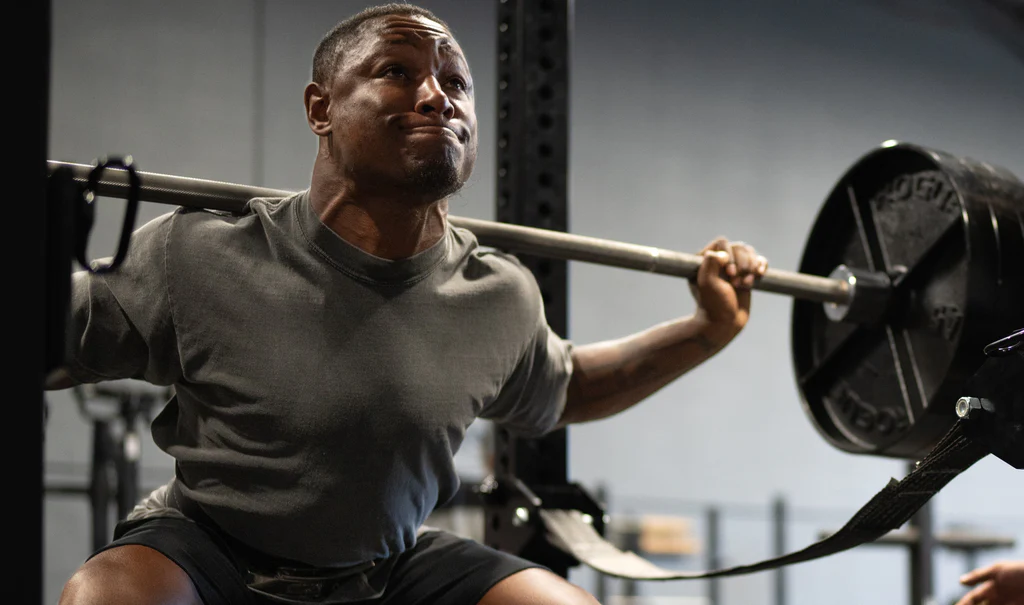
In today’s fast-paced and highly competitive sports world, athletes must stay ahead by building strength that not only enhances their power but also improves their overall performance. Whether you’re a weekend warrior or a professional, adopting the right athlete strength training plan can dramatically boost your game. This blog explores the essentials of strength workouts for sports, trending methods, and how modern athletes build muscle and power for peak performance.
Why Athlete Strength Workout Is Key to Modern Sports Performance
Athlete strength workouts are no longer just about lifting heavy weights. Modern sports demand explosive power, agility, and endurance, which require a more strategic approach to training. Studies show that athletes who incorporate functional strength training for athletes experience better coordination, fewer injuries, and enhanced sport-specific skills.
For example, according to a 2023 performance review in the Journal of Sports Science, athletes who combined strength training with functional exercises improved their sprint speed by up to 15% and vertical jump height by 12%. This data proves that targeted strength training can translate directly to game-day success.
In addition, high-performance athlete workouts are evolving to include a mix of resistance, plyometrics, and mobility drills, making training sessions more efficient and effective. The goal is to develop power that applies directly to the specific demands of each sport—whether it’s basketball, soccer, tennis, or track and field.

Building an Effective Athlete Strength Workout Routine
Creating a personalized athlete muscle building routine is crucial for maximizing results. Here’s how you can design a strength training plan that suits your sport and performance goals:
How Strength Training Enhances Game-Day Performance
Strength training improves muscle endurance, power output, and joint stability—factors critical during intense competition. For instance, football players who engage in sport-specific strength training show improved tackling force and sprint endurance.
Moreover, strength workouts help in injury prevention by strengthening muscles around vulnerable joints such as knees and shoulders. This translates into fewer days off for recovery, allowing athletes to maintain consistent performance throughout the season.
Athletes following a structured strength plan can expect to see:
- Increased explosive power
- Enhanced speed and agility
- Improved recovery times
- Greater mental toughness
The Shift Toward Functional Training in Athlete Workouts
Traditional bodybuilding focused on isolated muscle groups, but modern strength workouts for sports emphasize movement patterns that replicate athletic actions. Functional strength training enhances an athlete’s ability to perform complex movements under pressure.
Exercises like kettlebell swings, medicine ball throws, and single-leg squats train the body to work as an integrated unit, boosting coordination and balance. The trend toward functional training reflects the need for strength that is transferable to real-game scenarios.
Some trending athlete workout methods in 2025 include:
- Velocity-Based Training (VBT): Using technology to measure movement speed and adjust loads accordingly.
- Eccentric Overload Training: Focuses on muscle lengthening to improve power and injury resilience.
- Hybrid Training: Combines strength, cardio, and mobility drills in a single workout.

Must-Have Exercises for Total Body Athletic Strength
To build a comprehensive athlete strength training plan, include exercises that target all major muscle groups with an emphasis on power, stability, and endurance.
Here are some essential moves:
- Squats (Back and Front): Develop lower body strength critical for jumping, sprinting, and changing direction.
- Deadlifts: Improve posterior chain strength, vital for acceleration and posture.
- Pull-ups and Chin-ups: Build upper body pulling strength for tackling and throwing.
- Push-ups and Bench Press: Increase pushing power for contact sports.
- Power Cleans and Snatches: Olympic lifts that develop explosive power.
- Lunges and Step-ups: Enhance unilateral leg strength and balance.
- Planks and Anti-Rotation Holds: Strengthen core muscles for stability during dynamic movements.
Combining these exercises with plyometrics and agility drills creates a high-performance athlete workout that improves speed, power, and coordination.
FAQ: How Do Athletes Train for Strength?
Athletes train for strength through a combination of resistance training, functional exercises, and sport-specific drills. Their routines focus on building muscle endurance, explosive power, and joint stability while ensuring adequate recovery. Many athletes follow periodized plans, alternating between strength phases and power or endurance phases to peak during competition.
Sport-Specific Strength Training: Tailoring Workouts for Your Game
Different sports demand different types of strength. For example:
- Basketball players require explosive leg power for jumping and quick lateral movements.
- Soccer players need endurance and core strength to sustain 90 minutes of play.
- Tennis athletes focus on rotational power and shoulder stability.
- Track sprinters prioritize maximal power output in short bursts.
Incorporating sport-specific strength training ensures your workouts address the unique biomechanical needs of your sport. This approach improves your efficiency on the field or court, making you a more formidable competitor.
Trending Athlete Workout Methods for 2025
In 2025, several training trends are reshaping how athletes approach strength building:
- AI and Data-Driven Training: Wearables and apps provide real-time feedback to optimize workouts.
- Recovery-Focused Workouts: Integrating yoga, mobility drills, and cold therapy to enhance recovery.
- Neuromuscular Training: Drills that improve brain-muscle communication for faster reaction times.
Adopting these methods alongside a solid strength foundation will keep you competitive and injury-free.
FAQ: What Is the 3-3-3 Rule Gym?
The 3-3-3 rule is a gym training guideline where athletes perform 3 sets of 3 reps with maximum effort. It’s often used in strength training to focus on lifting near-maximal weights, promoting muscle building and neural adaptation. This method is popular among athletes looking to increase maximal strength without excessive volume.
Final Thoughts: Commit to Strength, Compete Like Pros
Building power through athlete strength workouts is essential for anyone serious about sports performance. Whether you’re aiming to improve your speed, agility, or muscular endurance, a well-rounded strength training plan tailored to your sport can make a significant difference.
If you’re ready to take your athletic training to the next level, visit competelikepros.com for expert workout plans, coaching tips, and the latest on strength training trends designed specifically for modern athletes.
Start training smarter today, build functional strength, and dominate your sport with confidence!