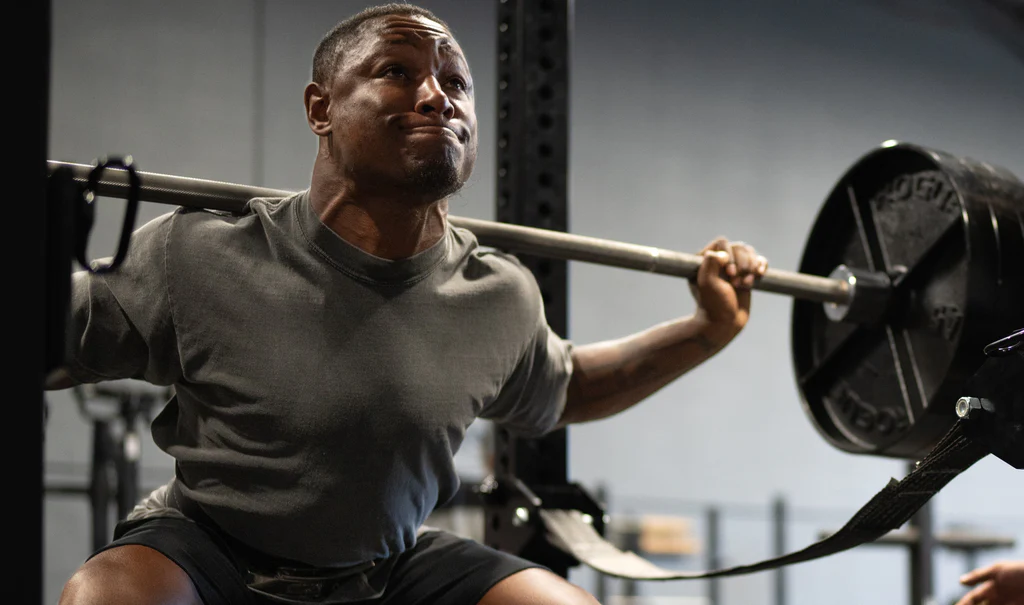
In today’s hyper-competitive sports world, physical strength alone isn’t enough. Athletes must also develop a strong mental game to achieve peak performance. This is where sports psychologists step in. With increasing awareness around mental health in sports, many top athletes are now turning to mental training to gain a competitive edge. But what exactly do sports psychologists do?
Let’s dive into how they shape the athlete performance mindset, the benefits they provide, and the science behind sports performance coaching.
Understanding What Sports Psychologist Do
Sports psychologists are trained professionals who use psychological principles to help athletes improve performance, recover from setbacks, and maintain emotional well-being. From Olympic medalists to high school athletes, professionals across the globe rely on mental training for athletes to stay focused, confident, and resilient.
Defining the Role in Modern Sports
The role of sports psychologist has evolved significantly. Today, they’re not just reserved for elite professionals. Athletes at every level benefit from their expertise in performance anxiety, concentration, goal-setting, and injury recovery.
- In 2024, over 78% of Division I college programs reported having access to mental health professionals, including sports psychologists.
- High-performing teams such as those in the NBA, NFL, and Olympics consistently employ sports psychologists year-round.
These professionals often work with athletes individually or with teams to create custom sports performance coaching plans that align mental toughness with physical training.
How Sports Psychologists Improve Athlete Performance
Whether it’s hitting the game-winning shot or bouncing back after a loss, mental strength is often the game-changer. Here’s how sports psychologists help optimize an athlete’s potential.
Key Areas They Help Athletes With
- Goal Setting: They help athletes set realistic, measurable, and motivating goals to stay on track during training and competitions.
- Stress & Anxiety Management: Using tools like breathing exercises and visualization, they reduce performance anxiety that can negatively impact results.
- Confidence Building: Confidence is key in sports. Mental training strategies help athletes develop and maintain self-belief, even after failures.
- Focus & Concentration: Sports psychologists train athletes to maintain razor-sharp focus during high-pressure moments.
- Injury Recovery: Emotional support during recovery is crucial. These experts help injured athletes rebuild confidence and re-integrate into competition.
- Team Dynamics & Communication: They also support coaches and teams to build positive communication and group cohesion.
FAQ: What is the role of a sport psychologist?
A sports psychologist helps athletes develop mental strategies to improve focus, manage pressure, build confidence, and recover from setbacks.

Techniques Used to Train the Mind
Sports psychologists use a variety of methods to enhance mental performance:
- Visualization: Mental imagery of successful performance to build muscle memory and confidence.
- Mindfulness & Meditation: Helps athletes stay in the moment and reduce distractions.
- Cognitive Behavioral Therapy (CBT): Used to reframe negative thinking and boost mental resilience.
- Biofeedback & Neurofeedback: Advanced techniques that provide real-time feedback on stress and focus levels.
- Routine Building: Creating pre-game and post-game mental routines for consistency and control.
In a study published in the Journal of Applied Sport Psychology, athletes using imagery and relaxation techniques improved their performance by 13% on average.
The Benefits of Sports Psychology in Real Life
The benefits of sports psychology are evident across all levels of athletics. Let’s look at some examples:
- Simone Biles, Olympic gold medalist, openly credited sports psychology and mental health professionals in helping her make a powerful comeback after stepping back due to mental health issues.
- Novak Djokovic practices visualization and mindfulness before matches, contributing to his mental edge on the court.
- The 2022 FIFA World Cup saw teams like Japan and Germany work with mental coaches to manage pressure and team synergy.
For young and developing athletes, these tools not only boost performance but also build life-long skills in stress management, emotional control, and goal setting.
FAQ: What are the 5 C’s in sports psychology?
The 5 C’s stand for Confidence, Commitment, Control, Concentration, and Communication—core traits essential for athletic success.

Sports Psychology Trends in 2025
The demand for mental coaches and sports psychologists continues to grow. In 2025:
- AI-based mental performance apps are trending, offering personalized training plans and real-time feedback.
- Virtual sports therapy is making support more accessible to youth and amateur athletes.
- Colleges and high schools are investing in full-time mental wellness professionals for student-athletes.
The industry is expected to grow by 11% through 2027, reflecting the global acknowledgment of its value.
Why Every Athlete Needs Mental Training
You wouldn’t skip leg day, so why skip mental workouts? Training your mind is just as critical as physical conditioning. Whether you’re an aspiring professional or play for fun, the guidance of a sports psychologist can make the difference between plateauing and performing like a pro.
Ready to Unlock Your Peak Potential?
Train your mind like champions do. At competelikepros.com, discover how sports performance coaching and sports psychologist techniques can take your game to the next level. From mental drills to custom routines, we help athletes of all levels achieve their best.
Start your mental training journey today with expert resources and programs designed for you. Visit competelikepros.com and train smarter, not just harder.
Conclusion
In conclusion, sports psychologists are vital to the holistic development of athletes. They empower individuals to overcome mental hurdles, enhance their athlete performance mindset, and thrive under pressure. As sports evolve, mental toughness is no longer optional—it’s essential. And with the right guidance, you too can compete like the pros.