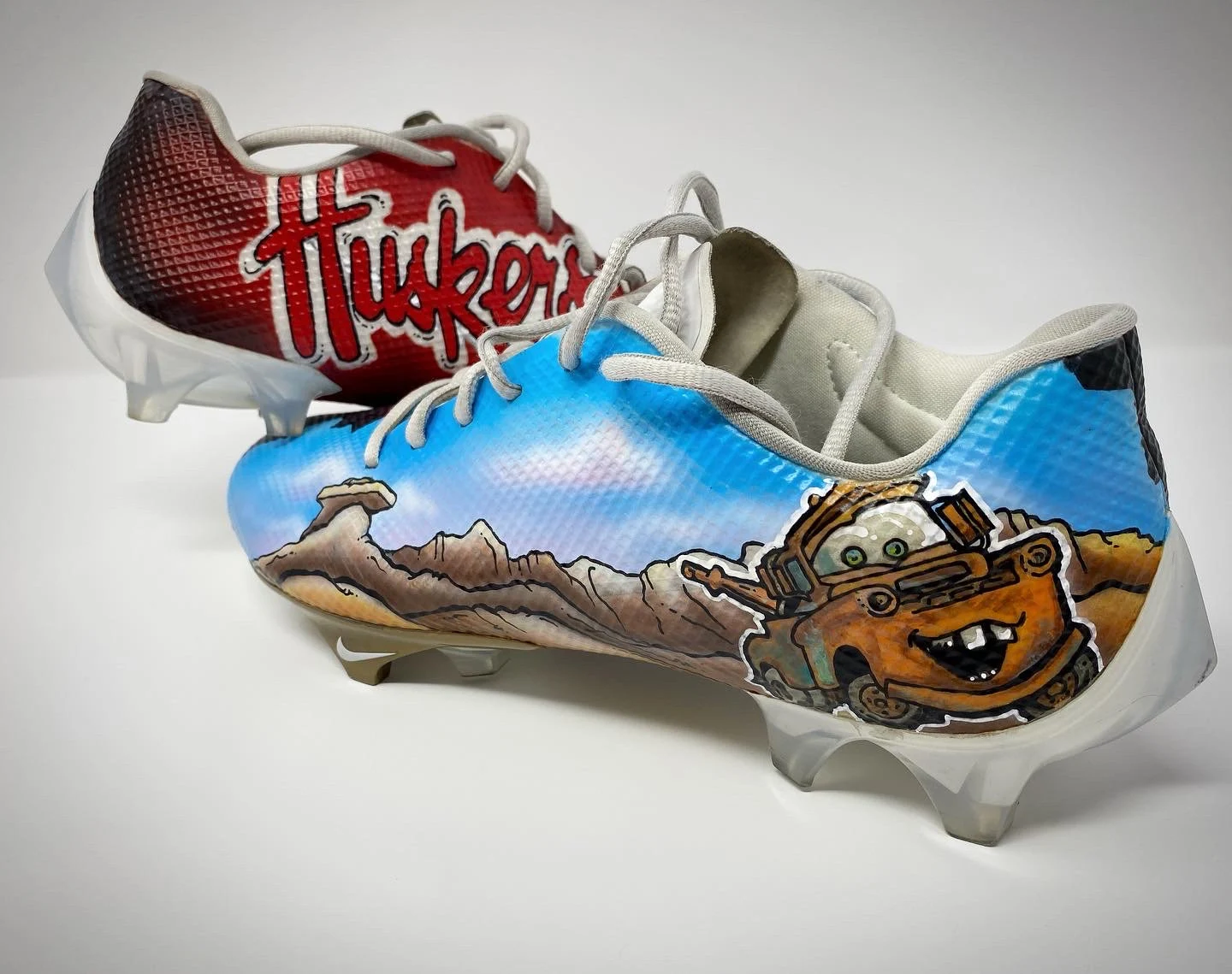
When it comes to choosing the right footwear for the field, understanding the difference between soccer and football cleats is essential for performance, safety, and comfort. Many athletes, especially beginners or multi-sport players, often wonder: “Can you use the same cleats for football and soccer?” The answer is more complex than a simple yes or no.
Whether you’re a youth athlete, a weekend warrior, or a serious competitor, selecting the correct cleats for athletes impacts traction, agility, and injury prevention. Let’s break down the differences, explore what top athletes use, and help you choose the best gear for your game.
Football Cleats vs Soccer Cleats: What Makes Them Different?
Understanding the football cleats vs soccer cleats debate begins with recognizing their unique designs and intended uses.
Stud Configuration and Placement
- Soccer cleats are built for agility and ball control. They typically have shorter, more numerous studs, allowing athletes to pivot quickly and maintain close contact with the ground.
- Football cleats prioritize grip for explosive starts and lateral movements. They often have longer, thicker studs, sometimes with a toe spike for linemen—something soccer cleats lack entirely.
Ankle Support and Build
- Soccer cleats are usually low-cut to maximize ankle mobility.
- Football cleats come in low, mid, and high-top versions, providing varying levels of ankle protection depending on position and play style.
Weight and Flexibility
- Soccer cleats are lightweight and flexible, allowing quick sprints and ball control.
- Football cleats are heavier and more rigid to handle collisions and provide balance under force.
FAQ: Can you use the same cleats for football and soccer?
Technically, soccer cleats can be used in football, especially for positions like kicker or wide receiver. However, football cleats should not be used in soccer due to the toe spike and bulkier design, which may pose a safety risk.
Types of Cleats for Different Sports: A Breakdown
Athletes today play multiple sports across seasons. This has led to the rise of multi-sport cleats, but one-size-fits-all doesn’t always cut it.
| Sport | Cleat Features |
| Soccer | Low-cut, lightweight, no toe cleat |
| Football | Ankle support options, toe spike, thicker studs |
| Baseball | Toe spike, metal options, reinforced heel |
| Lacrosse | Similar to football, but slightly more agile |
| Turf Sports | Short rubber studs or molded soles |
For athletes playing on artificial turf, the best cleats for turf are those with shorter, rubberized studs or turf shoes designed for grip and minimal knee stress.
Key Benefits of Choosing the Right Cleats
1. Improved Performance
Wearing cleats built for your sport enhances balance, movement, and speed. Soccer players, for example, need quick directional shifts—something bulky football cleats may hinder.
2. Injury Prevention
Misusing cleats can lead to ankle rolls, turf toe, or worse. Soccer cleats used in football may not provide enough grip or protection, especially for linemen and running backs.
3. Longevity of Gear
Using the wrong cleats wears them down faster and can damage playing surfaces, especially turf. Investing in cleats for athletes specific to the sport ensures durability.
Are Soccer Cleats Fine for Football?
This is a trending question among youth athletes and casual players. According to gear specialists and performance coaches featured in recent TikTok trends and expert reviews like WSB Sport, soccer cleats for football work best for certain positions:
- Kickers & Punters: Often prefer soccer cleats for their lightweight and ball feel.
- Receivers & Defensive Backs: Sometimes wear soccer cleats for enhanced agility and speed.
Still, they’re not recommended for linemen or high-contact roles, where bulkier and more supportive football cleats are essential.
Building a Balanced Approach: Choosing Cleats for Athletes
To ensure you’re getting the right gear, follow this sports gear guide for cleats:
Consider Your Position
- Soccer Midfielders: Need lightweight cleats for endurance and control.
- Football Linemen: Require high-tops with thick soles for push-off and safety.
- Multi-sport Athletes: Should invest in separate cleats or versatile models tailored for each game.
Think About the Playing Surface
- For grass: Choose cleats with longer studs.
- For turf: Go for best cleats for turf—rubberized soles or molded cleats that don’t dig too deep.
- Indoor: Flat, rubber cleats or turf shoes are best.
Analyze Fit and Comfort
Don’t compromise on comfort. A well-fitted cleat prevents blisters, foot fatigue, and missteps on the field.
Common Misconceptions About Soccer and Football Cleats
- “All cleats are the same.”
Not true. Each sport requires different movements, hence different traction needs. - “You can wear football cleats for soccer.”
False and risky. The toe spike in football cleats is not only useless in soccer, but potentially dangerous. - “Cleats don’t matter much at the youth level.”
On the contrary, young athletes develop skills and footwork better with proper gear from the start.
Essential Cleat Tips from Top Athletes (2025 Trends)
In 2025, many athletes—especially in youth leagues and semi-professional circuits—are prioritizing comfort and mobility. According to performance data from training centers across the U.S., athletes using cleats designed for their sport saw:
- 17% increase in lateral agility
- 23% decrease in ankle injuries
- Higher efficiency on turf surfaces, especially with specialized soles
This shift is also driven by brands creating hybrid models, or multi-sport cleats, which blend soccer-style agility with football-style support.
Call to Action: Compete Like Pros
Still unsure which cleats are right for you? Don’t guess—train and gear up like the pros. Visit CompeteLikePros.com for expert guides, athlete-tested reviews, and the latest in sports gear recommendations.
FAQ: What is the difference between soccer and football cleats?
- Soccer cleats are designed for touch, speed, and agility with shorter studs and no toe spike.
- Football cleats offer more ankle support and aggressive traction, including a toe cleat for certain positions.
Final Thoughts
While soccer cleats for football might seem interchangeable at first glance, understanding their design differences can protect your body and elevate your game. Whether you’re chasing touchdowns or goals, your performance starts from the ground up—with the right pair of cleats.
Gear up smart. Move fast. Play hard.