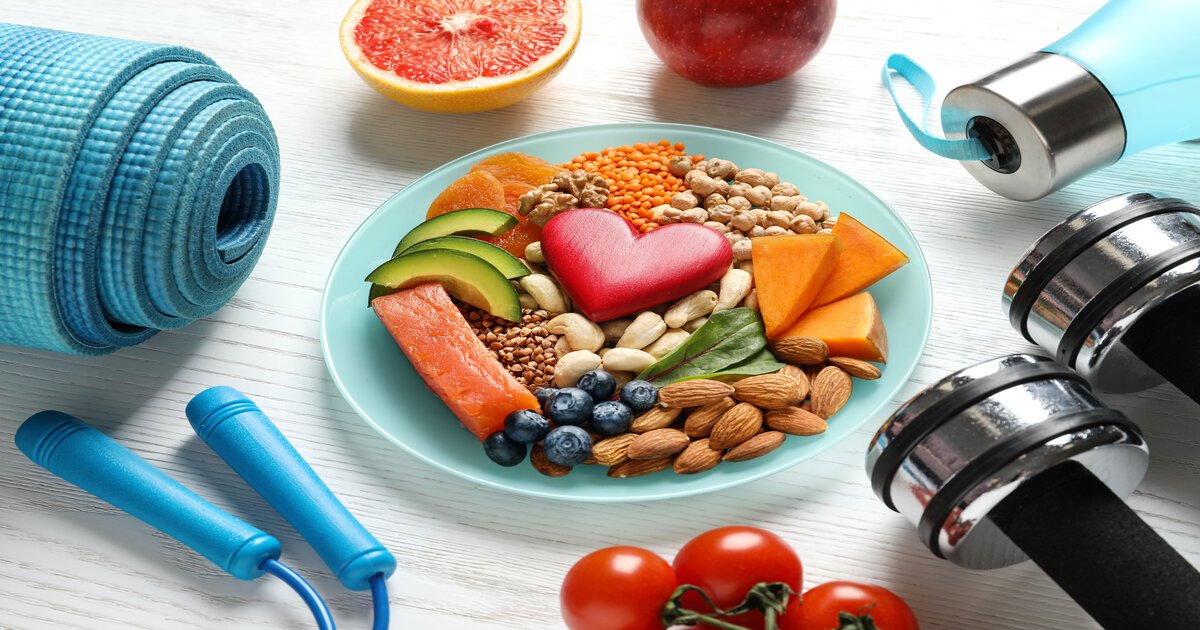
A well-planned diet fuels workouts, enhances endurance, improves muscle recovery, and supports long-term health. For athletes and fitness enthusiasts in the U.S., maintaining the right balance of nutrients is crucial for reaching goals such as fat loss, muscle gain, or endurance training.
According to a 2024 report by the American College of Sports Medicine, over 75% of U.S. athletes who followed structured nutrition plans experienced noticeable improvements in energy levels, strength, and recovery times. The research highlights the clear connection between diet and athletic performance—it’s not just about calories; it’s about the right calories.

Building an Effective Diet Plan for Sports and Fitness
How Nutrition Directly Impacts Athletic Performance
The food athletes consume provides the energy needed for training and recovery. Here’s how proper nutrition affects performance:
- Carbohydrates: These are the primary energy source for high-intensity activities. Complex carbs like oats, brown rice, and whole grains help sustain energy during workouts.
- Proteins: Essential for muscle repair and growth. Lean meats, eggs, dairy, and plant-based options like lentils support muscle strength and tissue regeneration.
- Fats: Healthy fats (avocados, nuts, olive oil) play a key role in hormone production and joint health.
- Hydration: Water is critical for thermoregulation, focus, and muscle efficiency. Even a 2% drop in hydration can impair performance.
A balanced fitness meal planning strategy ensures athletes are not just fueled—but optimally fueled.
FAQ
Why is diet important in fitness?
Because it provides the nutrients and energy required for performance, recovery, and overall well-being. Without a proper diet, training results are limited.
Common Dietary Mistakes That Hinder Fitness Progress
Despite best intentions, athletes often make errors that sabotage their fitness journey:
- Skipping meals or under-eating, which slows metabolism and reduces strength.
- Relying on supplements instead of whole foods.
- Neglecting post-workout recovery nutrition, especially protein and hydration.
- Overconsumption of processed foods that cause inflammation and fatigue.
Athletes should aim for consistency and avoid “yo-yo dieting.” The key is to treat nutrition as part of training—not separate from it.

Key Nutrients Every Athlete Should Prioritize
Every athlete’s body is different, but these nutrients are essential across all disciplines:
| Nutrient | Why It’s Important | Sources |
| Protein | Muscle repair and growth | Chicken, eggs, tofu, Greek yogurt |
| Carbohydrates | Energy supply during training | Brown rice, fruits, sweet potatoes |
| Omega-3 fats | Reduces inflammation, aids recovery | Salmon, flaxseeds, walnuts |
| Iron | Oxygen transport, prevents fatigue | Red meat, spinach, beans |
| Magnesium | Muscle function, prevents cramps | Almonds, dark chocolate, leafy greens |
| Water & Electrolytes | Hydration and nerve function | Water, coconut water, sports drinks |
Recent sports diet trends in 2025 also focus on gut health, with more athletes including fermented foods like kimchi and kefir to boost immunity and nutrient absorption.
Trends: What’s New in Athlete Diets in 2025?
The nutrition scene in 2025 shows exciting developments:
- Personalized Nutrition: With DNA-based meal planning and wearable nutrient trackers, diets are now custom-fitted for an athlete’s metabolism.
- Plant-Based Performance: Top athletes like Novak Djokovic and Alex Morgan advocate for plant-based diets, citing improved recovery and energy.
- Sustainable Eating: Many athletes are embracing eco-friendly diets with less meat and more local produce.
These sports diet trends 2025 underline a shift toward smarter, cleaner eating habits that fuel long-term performance and well-being.
FAQ
How does diet impact fitness?
Diet affects your energy levels, recovery speed, muscle growth, and endurance. The wrong diet can leave you sluggish and prone to injuries, while the right one boosts your overall athletic output.
Real-Life Results: What Athletes Are Saying
Elite athletes have long endorsed the benefits of disciplined nutrition:
- Tom Brady, NFL legend, attributes his longevity to a strict plant-heavy diet with anti-inflammatory foods.
- Simone Biles follows a high-protein, balanced plan that prioritizes timing—eating the right food at the right time.
- A 2024 survey of U.S. college athletes revealed that those who adhered to athlete diet guidelines had 25% fewer injuries and 30% faster recovery compared to their peers.
These stories emphasize that food isn’t just fuel—it’s a strategy.
Final Thoughts: Fuel Your Fitness Like a Pro
For athletes and sports lovers, diet is not optional—it’s foundational. A structured nutrition plan improves strength, endurance, agility, and mental clarity. Staying current with nutrition tips for athletes and emerging sports diet trends gives you a competitive edge.
Whether you’re prepping for your next tournament or aiming for your personal best, remember: what you eat today shapes how you perform tomorrow.
Ready to Fuel Like the Pros?
Start optimizing your nutrition and training plan now.
Visit competelikepros.com for personalized sports meal plans, expert advice, and athlete-focused tools to elevate your game.